Real estate notarization is the legal process of registering and certifying property transactions – sales, purchases, mortgages, and gifts – with the right authorities in Bahrain.
It protects everyone involved and heads off disputes down the road. Under Bahrain’s Real Estate Rental Law, every property transaction needs to be notarized to be legally valid.
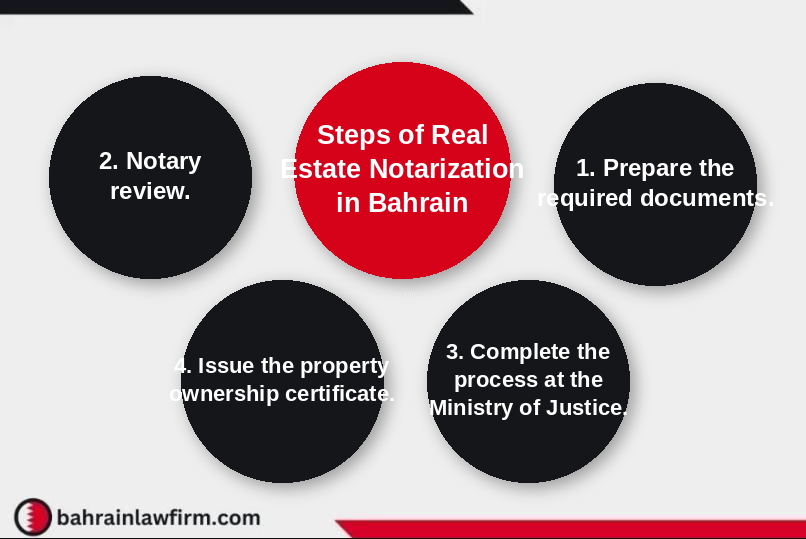
Steps of Real Estate Notarization in Bahrain
When you buy a property, here’s how the notarization usually goes:
- Gather the required documents: the sale contract or preliminary purchase agreement, national ID cards for the buyer and seller (or passports for foreigners), and the property’s prior registration certificate if one exists, plus any extra documents the specific deal calls for.
- Notary review: head to the Notary Public to certify the contract – they’ll check the details match and get sign-off from both parties.
- Submit to the Ministry of Justice: the notarized contract then goes to the Ministry of Justice and Islamic Affairs for review and approval.
- Get the ownership certificate: once everything’s processed, you receive a final certificate confirming the transfer or change of ownership.
Real Estate Notarization in Bahrain is a key legal step that protects everyone’s rights and makes sure property deals get registered the right way, in line with local law.
Whether you’re a foreign investor or a Bahraini citizen, knowing how the notarization process works really matters. This article walks you through everything you need to know to get your property deal done right.
لا يقتصر توثيق المعاملات العقارية في البحرين على كونه مجرد إجراء ورقي، بل يمثل ضمانة قانونية تحمي جميع الأطراف من المخاطر المحتملة.
-
إثبات الملكية: يمنح التوثيق المالك شهادة رسمية تؤكد ملكيته للعقار.
-
الحد من النزاعات: يساعد على تجنب الخلافات المستقبلية المتعلقة بالملكية أو شروط العقد.
-
التعامل مع البنوك: يُعد التوثيق ضروريًا عند التقدم بطلب للحصول على قروض عقارية أو تمويل بضمان الرهن العقاري.
-
حماية المستثمرين: خاصة المستثمرين الأجانب، إذ يضمن التوثيق توافق المعاملة مع القوانين المحلية.
ومن المفيد أيضًا الاطلاع على كيفية تملك الأجانب للعقارات في البحرين بصورة قانونية قبل البدء في إجراءات الشراء.
Working with a lawyer in Bahrain who specializes in real estate notarization makes the whole process safer and smoother. Here’s how:
- Reviewing contracts to make sure signed agreements fully protect everyone’s rights.
- Overseeing the legal procedures and keeping the transaction on track with current law.
- Representing you before official bodies, including notary offices and government agencies.
- Giving legal advice that helps you avoid risks that could affect the deal.
Bahrain lets foreigners own property in specific areas – Amwaj Islands, Seef, and a few others. That said, foreign buyers do need to meet some special legal conditions:
Property can only be purchased in the approved investment areas.
You’ll need to submit documents like a valid passport and a residence visa.
The transaction also has to comply with investment laws.
Notarization Requirements: Citizens vs. Foreigners
| Requirement |
For Citizens |
For Foreigners |
| ID card |
Yes |
No (passport instead) |
| Prior registration certificate |
Required if the property was registered before |
Required if the property was registered before |
| Ownership areas |
Open |
Limited to investment zones |
Real estate notarization raises plenty of questions, like:
What documents do I need for real estate notarization?
You'll typically need the sale or purchase contract, your ID card or passport, and the property's prior registration certificate if one exists.
Can real estate notarization be done online?
Yes — you can complete it through Bahrain's e-Government portal.
How long does real estate notarization take?
It usually takes anywhere from a few days to about a week, depending on how complex the transaction is.
Real Estate Notarization in Bahrain isn’t optional if you want your rights protected and your property deal properly documented – whether you’re buying something new or formalizing an existing transaction.