This article explains employers’ legal obligations in Bahrain to provide a safe working environment, the preventive measures required to protect employees from occupational hazards, the procedures for reporting workplace injuries and occupational diseases, and employees’ legal rights following work-related injuries.
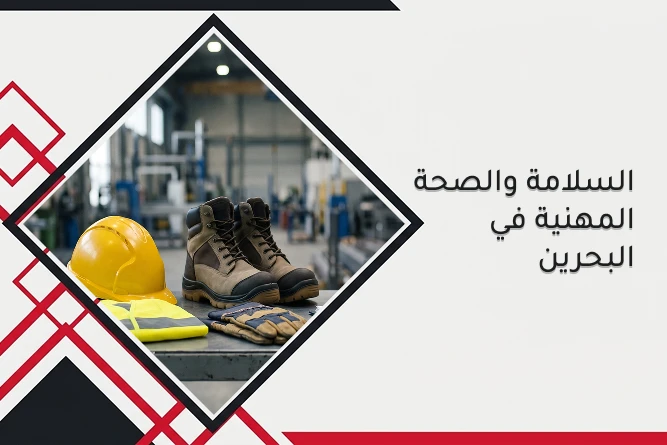
Occupational Health and Safety in Bahrain
Table of Content
Occupational health and safety is a fundamental employer responsibility aimed at protecting employees from risks arising from the nature of their work, equipment, materials, or workplace conditions.
The Labour Law for the Private Sector promulgated by Law No. (36) of 2012 establishes several obligations relating to employee protection. These are supplemented by Ministerial Order No. (8) of 2013 regulating occupational health and safety in establishments, as well as decisions addressing specific hazards such as electricity, fire, chemicals, and construction activities.
These obligations are not limited to factories and construction sites. They extend to different workplaces and establishments according to the nature of their activities and potential risks.
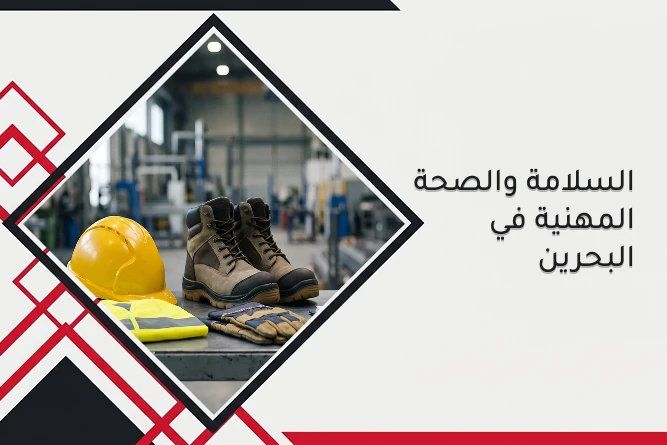
Employers must take the necessary measures to protect employees from occupational hazards, provide suitable protective equipment, and maintain the safety of machinery and equipment used in the workplace.
Preventive measures include assessing workplace risks, providing appropriate personal protective equipment, establishing clear instructions for handling machinery and hazardous materials, and training employees on safety and emergency procedures.
Employers should also provide appropriate first-aid facilities and fire-fighting equipment and ensure that employees understand evacuation procedures and how to respond to workplace incidents.
Safety measures should reflect the nature of each occupation. The risks associated with construction sites differ from those found in industrial facilities, offices, or warehouses.
When an injury occurs during or because of work, the applicable legal and administrative reporting procedures should be followed. The incident must be documented, and the injured employee should receive the necessary medical attention.
Documentation should include the time and location of the incident, its nature and circumstances, the names of witnesses, and any relevant medical reports and supporting records.
Employers must also comply with the applicable rules governing the reporting of workplace injuries and occupational diseases, including Ministerial Order No. (12) of 2013 concerning the procedures for reporting such incidents.
Prompt reporting and accurate documentation help establish the nature of the injury and its connection with employment, while facilitating the assessment of insurance benefits and compensation under the relevant legislation.
Employees are entitled to the legal protection applicable to work-related injuries. Eligibility for compensation and insurance benefits is subject to the requirements and procedures established under the Labour Law, the Social Insurance Law, and other relevant legislation.
Where a dispute arises concerning the nature, cause, or employment-related character of an injury, medical reports, incident records, and workplace documentation may be important evidence.
An employer may incur legal liability for failing to comply with occupational health and safety obligations, depending on the nature of the breach, the resulting harm, and the applicable legal provisions.
A clear occupational safety system therefore protects employees while also reducing the legal and operational risks faced by the establishment.