This article explains the environmental obligations imposed on businesses and establishments in Bahrain, focusing on waste management, hazardous waste, waste management plans, environmental approvals, and legal liability arising from violations of environmental legislation.
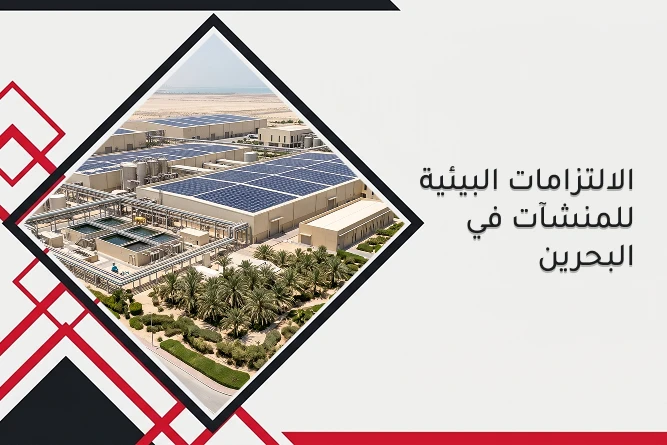
Environmental Obligations of Businesses in Bahrain
Table of Content
Businesses operating in Bahrain are subject to legal requirements aimed at protecting the environment, reducing pollution, and preserving natural resources. Law No. (7) of 2022 concerning the Environment is one of the principal laws governing this area, together with the regulations and implementing decisions issued under it.
Environmental obligations are not limited to factories or large industrial facilities. They may also apply to commercial and service activities that generate waste, emissions, or materials capable of affecting the environment or public health.
Businesses must assess the nature of their activities and the waste they generate, identify the environmental requirements applicable to them, and obtain the necessary approvals or permits before conducting activities that may have an environmental impact.
Waste must not be handled, discharged, or stored in a manner that harms the environment or violates regulatory requirements. Businesses must also observe the specific rules applicable to ordinary, hazardous, medical, and industrial waste.
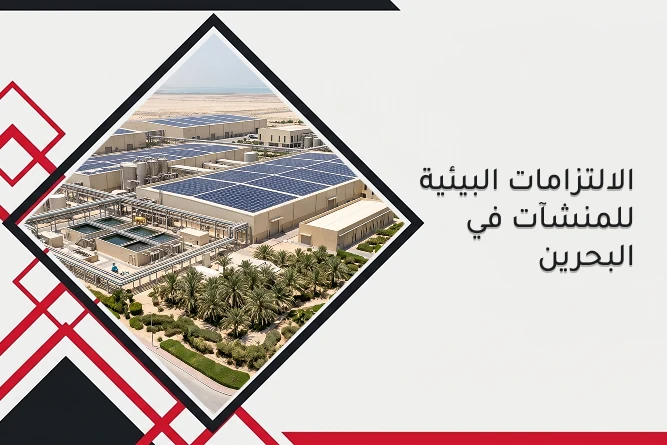
Waste management is one of the most important obligations imposed on businesses. Waste collection, storage, transportation, and disposal must be organized according to the nature of the waste and the requirements established by the competent authorities.
Certain activities require the preparation and submission of a waste management plan for approval or renewal, depending on the nature of the establishment and the applicable regulatory requirements.
Bahrain’s government services allow applications for the review, approval, or renewal of waste management plans to be submitted electronically. Required documents include the waste management plan, a valid copy of the Commercial Registration, and any additional documents requested by the competent authority.
Businesses handling hazardous waste must also comply with the rules governing its classification, storage, transportation, and disposal. Hazardous waste should not be mixed with ordinary waste where this would violate applicable technical or legal requirements.
Good compliance practices include maintaining records of waste management operations, contracting licensed service providers where required, training employees in safe waste handling, and reviewing environmental plans whenever business activities or production volumes change.
Violations of environmental requirements may result in administrative or regulatory measures or penalties, depending on the nature of the violation and the applicable legal provision.
Potential violations include improper waste disposal, handling hazardous waste without satisfying the required conditions, conducting an activity that requires environmental approval without obtaining it, or breaching the conditions of an environmental permit or approved plan.
The consequences are not necessarily limited to financial fines. Depending on the violation, the competent authorities may require business activities to stop, the source of harm to be removed, or corrective measures to be implemented in accordance with the law and applicable decisions.
Environmental compliance should therefore form part of the establishment’s management system rather than being treated as a measure required only during inspections. Clear waste management policies, defined internal responsibilities, and proper records of approvals and compliance documents help reduce legal and operational risks.